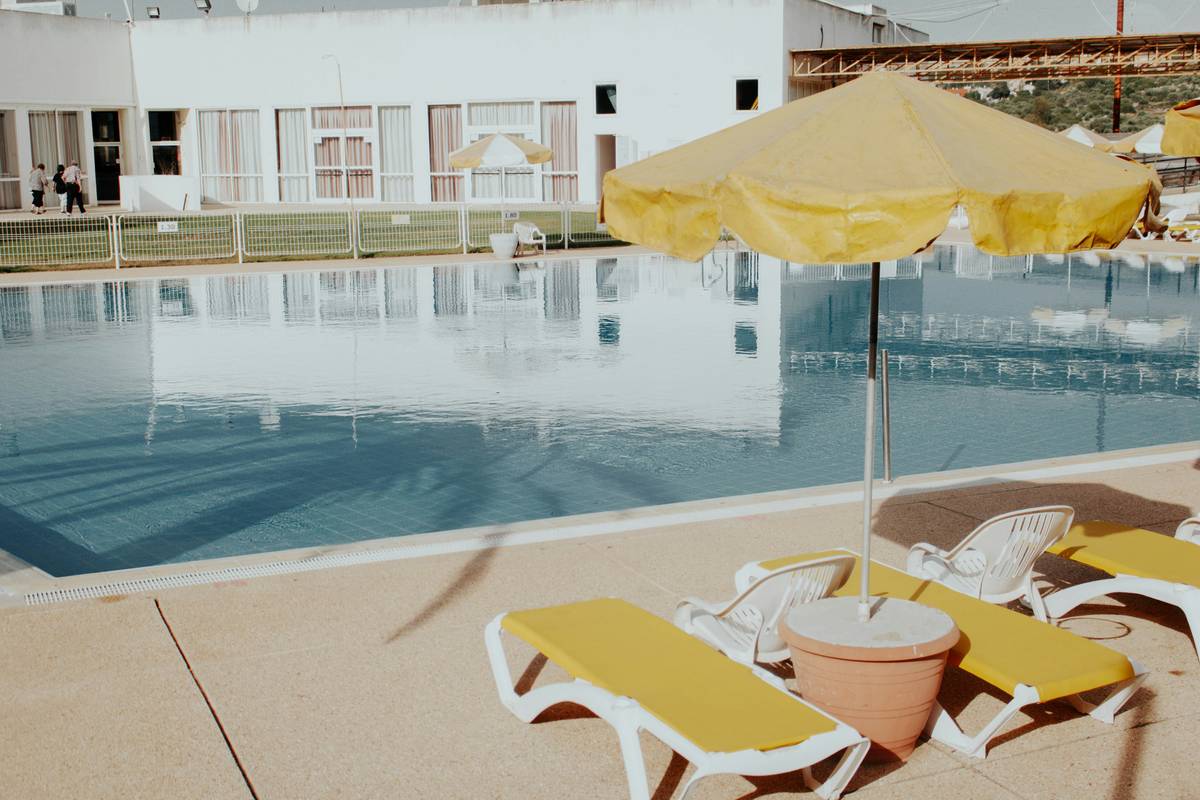
Your poolside looks like a catalog—but feels like a showroom no one wants to sit in. Cushions fade by July. Metal frames rust after one summer storm. And that “resort-style” lounger? Uncomfortable by 3 p.m. The truth? Most pool patio furniture design ideas prioritize aesthetics over endurance. Here’s how to fix that—without sacrificing style.
Why 90% of Poolside Setups Fail Within Two Seasons
Designers love teak. Homeowners hate replacing it every other year. Teak weathers beautifully—until it splinters, warps, or bleeds tannins onto light concrete. Aluminum looks sleek but conducts heat like a frying pan. Wicker? Gorgeous… until humidity turns it brittle.
And don’t get me started on “all-weather” fabrics that crack after minimal UV exposure. The industry sells aspiration, not longevity.
Pool Patio Furniture Design Ideas: Build for Heat, Moisture, and Lazy Sundays
Forget trends. Prioritize materials that laugh at chlorine, salt air, and surprise thunderstorms. Then layer comfort that lasts past sunset.
Select Frames That Survive, Not Just Sit Pretty
Powder-coated aluminum with marine-grade finish? Yes. Stainless steel (316 grade, not 304)? Even better—it handles salt spray without pitting. Avoid cast iron unless you enjoy monthly maintenance rituals.

Choose Upholstery That Dries Faster Than Your Swim Trunks
Sunbrella fabric is the baseline—not the gold standard. Look for Olefin-based weaves with open-cell foam cores. They drain water in minutes, resist mildew inherently, and won’t sag after repeated soaking.
Arrange for Flow, Not Just Photos
Place seating so every chair has sightlines to the water—but also an easy path to shade or the kitchen. No one wants to tiptoe across hot tiles just to grab a towel. Cluster small groupings instead of lining chairs like sentinels along the edge.
| Material | Lifespan (Avg.) | Maintenance Needs | Heat Retention |
|---|---|---|---|
| Marine-Grade Aluminum | 10–15 years | Rinse quarterly; inspect joints annually | Moderate (cool with shade) |
| HDPE Resin Wicker | 7–10 years | Wipe down; avoid power washing | Low |
| Teak (Unsealed) | 15+ years | Oiling optional; clean tannin runoff | High (hot in direct sun) |
| Cast Aluminum | 8–12 years | Touch-up paint on chips | Very High |
The Industry Secret: Design for the “Wet Walk”
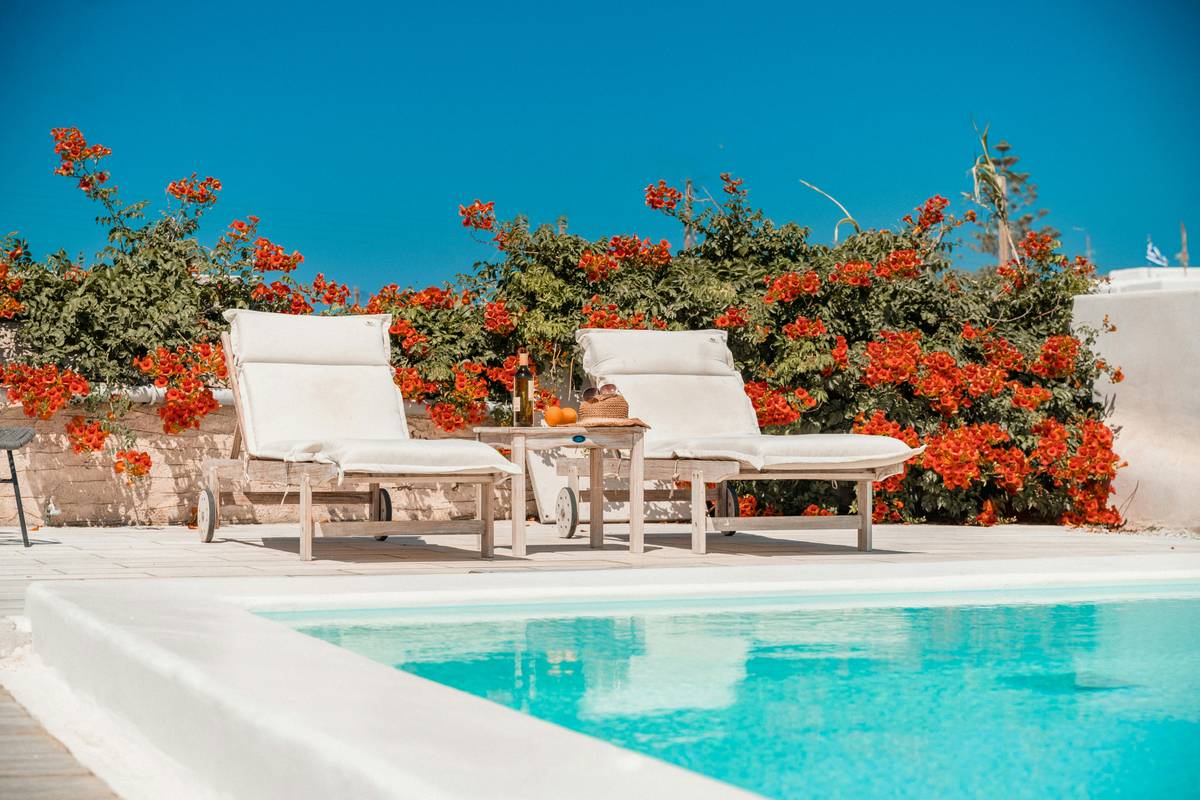
Here’s what no showroom tells you: your furniture layout must accommodate bare feet stepping out of the pool—dripping, cold, possibly clumsy. Place rugs? Slip hazard. Leave bare concrete? Feet burn by noon. The fix? Use textured, non-porous tiles or rubber pavers under seating zones. They stay cool, drain instantly, and provide grip without trapping moisture underneath frames. It’s not glamorous—but it’s the difference between “pretty” and “lived-in.”
And always—always—leave at least 36 inches of clearance around each piece. Wet bodies need space to maneuver without knocking over a $400 side table full of drinks.
Frequently Asked Questions
What’s the best material for poolside furniture near saltwater?
316 stainless steel or high-density polyethylene (HDPE) resin. Both resist corrosion from salt spray far better than standard aluminum or wood.
Can I leave outdoor pool furniture out all year?
Technically yes—if it’s marine-grade and you rinse it monthly. But covers extend life dramatically, especially in freeze-thaw climates where trapped moisture expands and cracks joints.
How do I keep white pool patio furniture clean?
Use solution-dyed acrylic fabrics like Sunbrella Rain. Rinse weekly. For stains, mix mild soap with vinegar—never bleach. White shows wear fast; accept gentle aging or choose light gray instead.