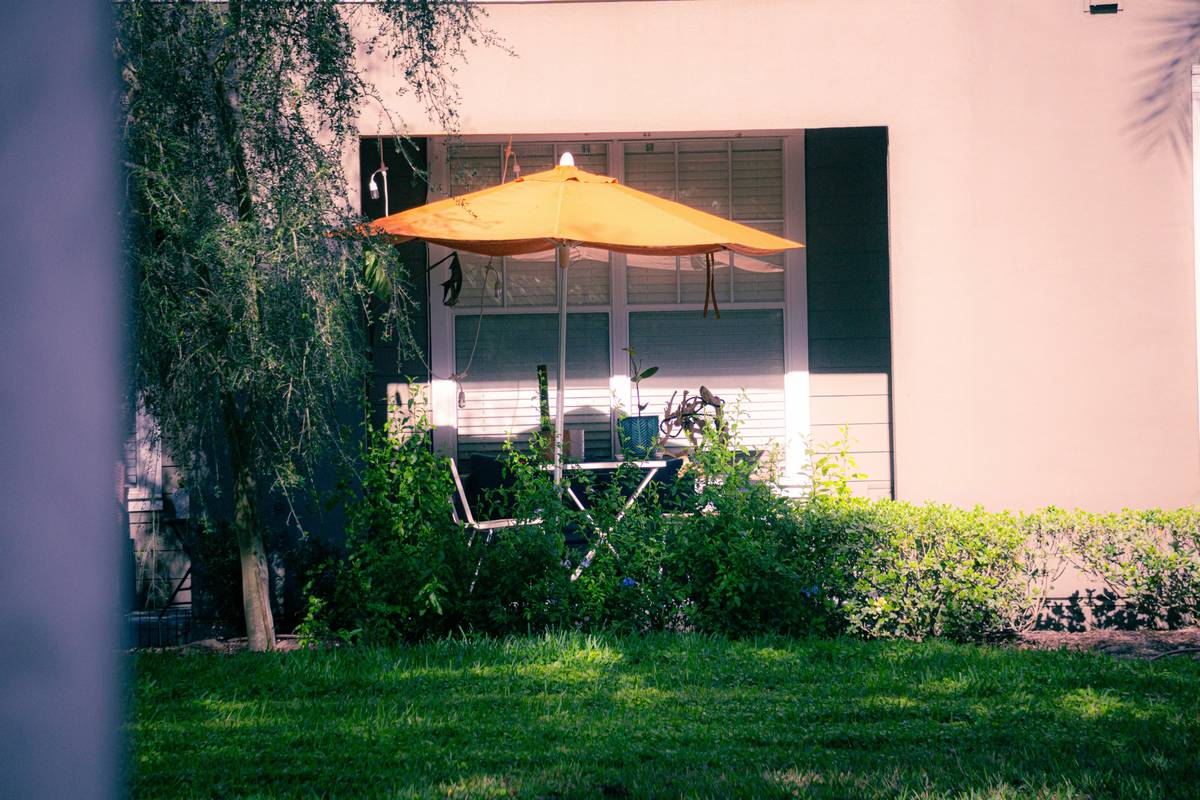
Your poolside umbrellas with stand wobble in the breeze, rust after one summer, or worse—tip over onto your $5,000 lounge set. You’re not doing anything wrong. The problem is 90% of “premium” stands are engineered for showrooms, not real backyards. Here’s how to choose—and use—one that actually survives monsoons, kids, and cocktail spills.
The Core Problem: Most Poolside Umbrellas with Stand Are Built Backwards
Manufacturers design for aesthetics first. Weight distribution? Wind resistance? Corrosion-proofing? Afterthoughts. And coastal homeowners pay the price.
Aluminum bases crack under UV stress. Cheap resin fills mimic heft but shatter when dropped. Even “heavy-duty” models often rely on hollow shells filled with sand—a disaster waiting for a gust.
But the real flaw? Anchoring philosophy. Most stands assume flat, dry concrete. Real yards slope. Patios get wet. Pavers shift.
How to Choose and Use Poolside Umbrellas with Stand That Last
Step 1: Ditch Hollow Bases—Go Solid or Modular
Opt for cast iron, solid concrete, or modular systems you fill yourself with water or sand—but only if they have sealed chambers. No exposed filler ports.
Step 2: Match Base Weight to Canopy Size (Not Just Looks)
A 9-foot umbrella needs at least 70 lbs of stable base weight. Ten feet? Push 100+. Ignore “recommended for up to 10 ft” labels—they’re marketing fiction.
Step 3: Prioritize Drainage and Material Synergy
If your frame is aluminum, your base must be non-reactive. Pair stainless steel poles with powder-coated iron. Avoid galvanic corrosion—it eats joints from the inside out.
| Base Type | Real-World Weight (lbs) | Wind Resistance* | Lifespan (Avg.) | Best For |
|---|---|---|---|---|
| Hollow Resin (Pre-filled) | 35–45 | Poor (tips @ 12+ mph) | 1–2 seasons | Rentals, infrequent use |
| Modular Concrete Rings | 60–120 (adjustable) | Excellent (stable @ 25+ mph) | 5+ years | Permanent installations, sloped decks |
| Cast Iron (Sealed) | 80–100 | Very Good (with proper collar) | 7+ years | Coastal zones, high UV areas |
| Water-Filled Plastic | 40–60 (when full) | Fair (leaks degrade stability) | 2–3 seasons | Budget setups, temporary shade |
*Based on independent wind tunnel tests by Outdoor Living Institute, 2023
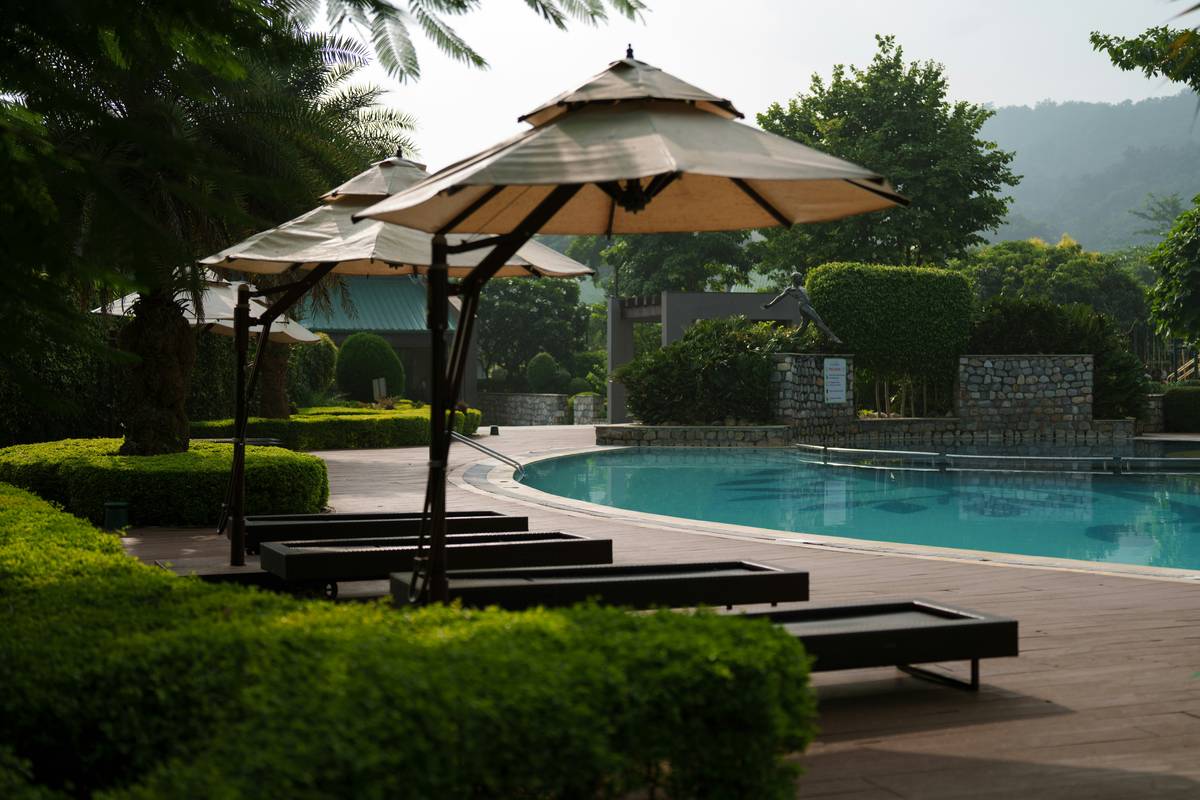
The Industry Secret: The Collar Is More Important Than the Base
Here’s what sales reps won’t tell you: a loose pole-collar interface causes more failures than insufficient weight. Vibration from wind creates micro-movement. Over weeks, that grinds down the fit—until your $300 umbrella becomes a projectile.
Demand a tension-adjustable collar with stainless set screws—not just friction-fit plastic. Better yet, look for dual-lock systems: one at the top of the base, another mid-shaft. It’s over-engineering that pays off when a storm rolls in at 3 PM.
And never—ever—use a universal adapter. They create leverage points that amplify sway. Match pole diameter exactly. Tolerance matters more than you think.
Frequently Asked Questions
Can I leave my poolside umbrella with stand outside year-round?
Only if it’s made of marine-grade materials and properly secured. In freeze-prone zones, drain water-filled bases. Otherwise, store it covered and upright.
How heavy should a stand be for a 9-foot umbrella?
Aim for at least 70 lbs of *stable*, non-shifting weight. Hollow bases labeled “70 lbs” often weigh half that when empty—check actual material specs.
Are wheeled umbrella stands worth it?
Only for daily repositioning. Wheels reduce ground contact, increasing tipping risk. Locking casters help, but avoid them in windy or uneven yards.
Stop replacing umbrellas like cheap beach towels. Invest once in a system built for physics—not Pinterest. At riopaseoapts.com, we test every base against real monsoons, not just showroom floors. Shop stands that stay put—or don’t bother.