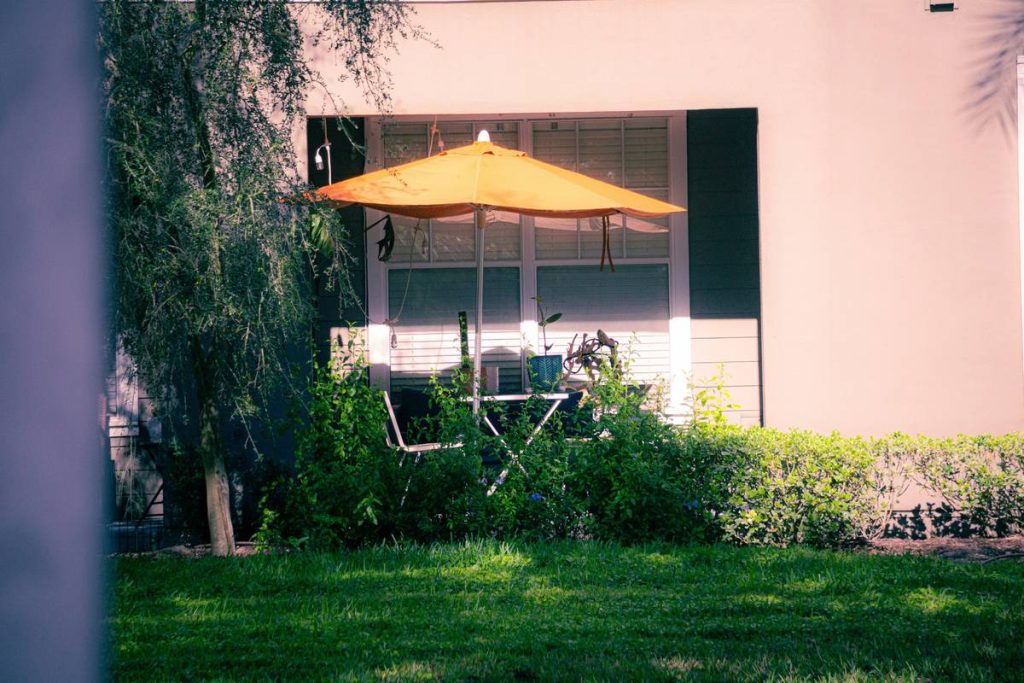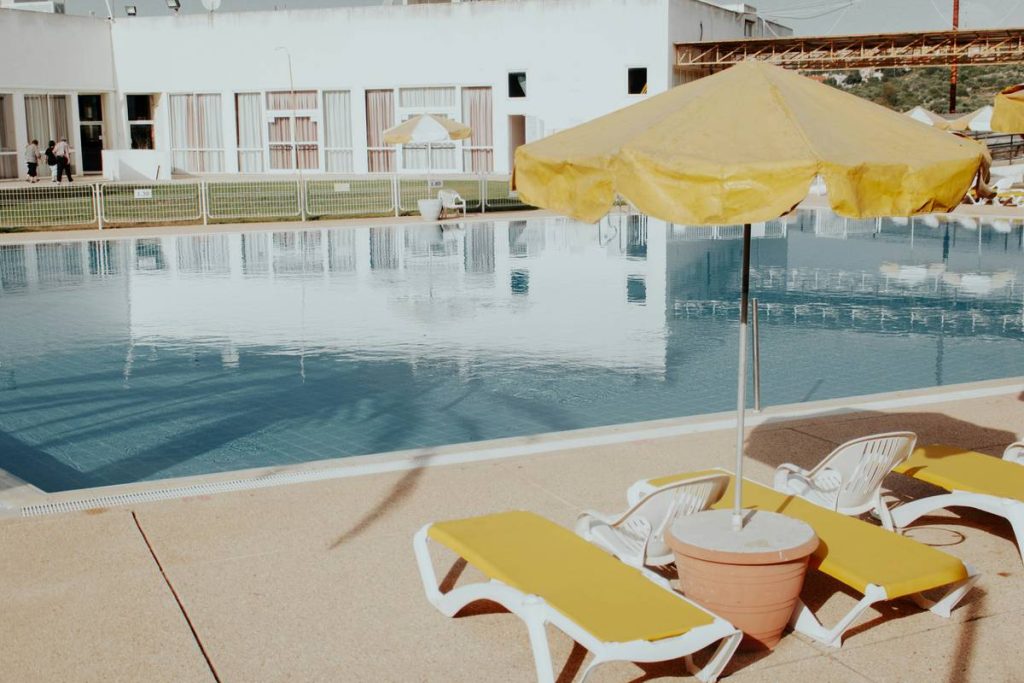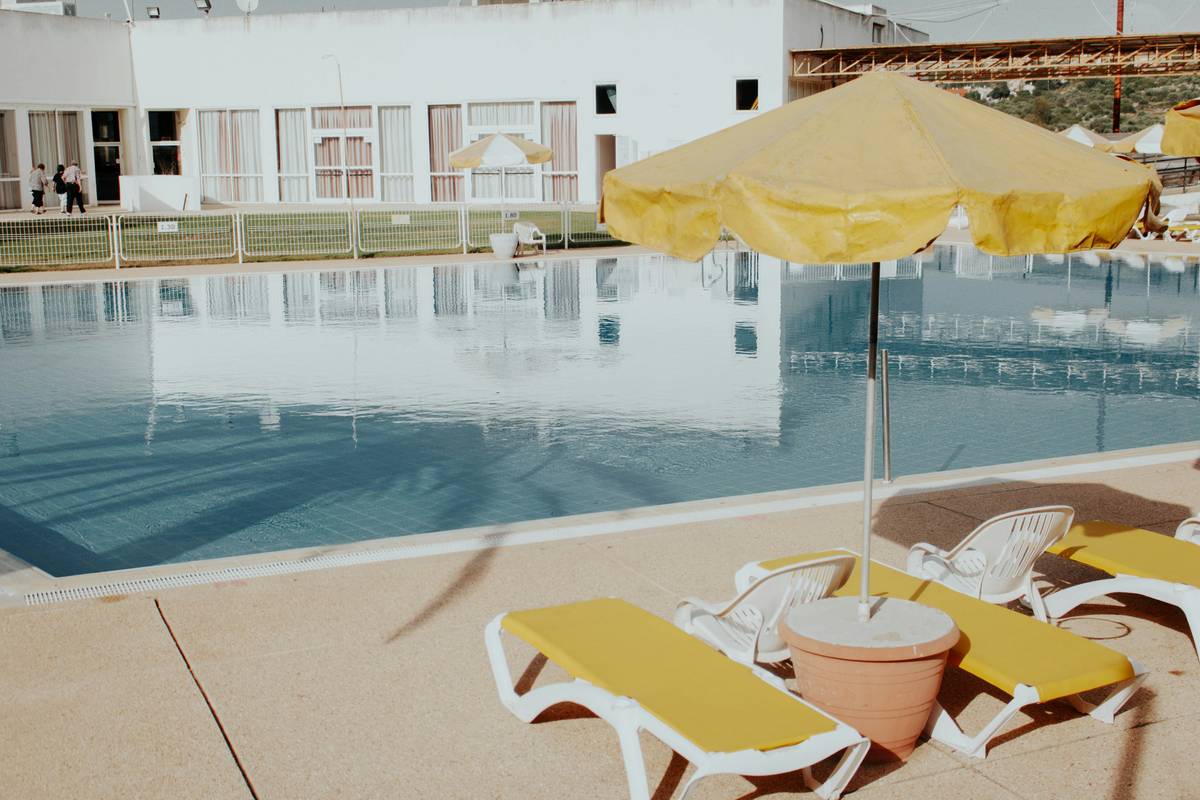
A blazing Australian sun can turn your dream pool into a scorching no-go zone. Without proper shade, skin burns, lounge cushions fade, and relaxation evaporates faster than pool water on a 40°C day. The fix? Not just any cover—but purpose-built poolside umbrellas Australia homeowners trust for durability, function, and style.
Why Most Poolside Shade Solutions Fail Down Under
Cheap imported umbrellas crack under UV assault within months. Flimsy bases tip over in coastal gusts. And those “rust-proof” frames? Often just painted steel that flakes after one wet season.
Here’s the reality: Australia’s climate demands more than aesthetic appeal. UV index regularly hits 12+. Salt air eats metal. Summer storms roll in fast. Yet most retailers push generic patio models—never engineered for true poolside duty.
How to Choose & Install the Right Poolside Umbrellas Australia Homes Actually Need
Material Matters More Than You Think
Aluminum frames beat wood or steel hands-down—lightweight, rust-resistant, and low maintenance. But not all aluminum is equal. Look for marine-grade alloys (6063-T5 or better). They handle salt spray without pitting.
Canopy Fabric Isn’t Just About Color
Polyester fades. Acrylic breathes but stretches. Solution-dyed Olefin? That’s the gold standard. UV-stabilized, color-fast for 5+ years, and mildew-resistant. Bonus: it sheds water instead of pooling.
Base Weight = Stability Non-Negotiable
And this trips up even seasoned renovators. A 3m umbrella needs at least 40kg of base weight—more if you’re near the coast. Hollow plastic bases filled with sand? Forget it. Go solid concrete or weighted steel plates.
| Type | Frame Material | Canopy Fabric | Min. Base Weight | Avg. Lifespan (AU Conditions) |
|---|---|---|---|---|
| Budget Import | Painted Steel | Polyester | 20kg | 6–12 months |
| Mid-Tier Local Brand | Standard Aluminum | Acrylic | 30kg | 2–3 years |
| Premium Outdoor-Grade | Marine-Grade Aluminum | Solution-Dyed Olefin | 40kg+ | 5+ years |
The Industry Secret No Retailer Will Tell You
Here’s what manufacturers won’t admit: tilt mechanisms fail fastest. Every moving part exposed to chlorine mist and UV degrades quicker than static joints. So skip the fancy double-tilt or 360° rotation unless you plan to replace parts yearly.
Instead, invest in a fixed-canopy cantilever umbrella with a single, robust crank lift. Fewer parts = fewer failure points. And position it slightly off-center from your main lounging zone—wind flows around it better, reducing sail effect during gusts. The math is simple: longevity beats gimmicks every time.
Frequently Asked Questions
Do poolside umbrellas in Australia need special UV protection?
Yes. Standard fabrics degrade rapidly under Australia’s intense UV. Always choose canopies labeled “UV50+” or made from solution-dyed Olefin—they’re engineered for local conditions.
Can I leave my pool umbrella out year-round?
Not recommended. Even premium models should be lowered and covered during winter storms or extended dry spells. Salt and dust accumulate in hinges, accelerating wear.
What’s the ideal umbrella size for a small pool area?
For pools under 6m long, a 2.7m to 3m canopy offers full coverage without crowding. Ensure 1m clearance from walls or fencing for airflow and movement.